

Indoor Air Quality Solutions For A Healthier Waynesboro, PA Home
Your house might look clean, but the air you're breathing could be loaded with dust, allergens, mold spores, bacteria, and all kinds of nasty stuff you can't see. Pennsylvania homes stay sealed tight during winter and summer to keep temperatures comfortable, which means all those pollutants get trapped inside with nowhere to go. Poor indoor air quality triggers allergies, aggravates asthma, causes headaches, and makes everyone in your house feel generally lousy.
Frosty Friends installs whole-home air quality systems that actually solve these problems instead of just moving dirty air around. Call 814-386-7600 or reach out online to breathe easier in your own home.
What Indoor Air Quality Services Are Available?
Knowing that you're breathing clean air at home is almost more important than having a proper temperature, mostly because of the long-term issues it can cause. To improve your indoor air quality, we install:
UV Lights
Ultraviolet lights installed in your HVAC system kill bacteria, viruses, and mold spores before they circulate through your house. UV technology destroys these biological contaminants at the DNA level, preventing them from reproducing and making you sick. Particularly effective for families dealing with allergies, asthma, or compromised immune systems.
Indoor Air Quality Inspections
Professional air quality testing identifies specific pollutants, measures humidity levels, checks for carbon monoxide, and evaluates your HVAC system's filtration effectiveness. Testing gives you concrete data about what's actually floating around in your air instead of guessing at problems based on symptoms.
Humidifiers
Whole-house humidifiers add moisture to dry winter air that causes nosebleeds, cracked skin, static shocks, and respiratory irritation. These systems integrate with your HVAC equipment to maintain ideal humidity levels throughout your entire home, protecting both your health and your wood furniture.
Dehumidifiers
Whole-home dehumidifiers remove excess moisture that encourages mold growth, dust mites, and musty odors. Southern Pennsylvania summers get muggy, and basements stay damp year-round. Controlling humidity makes your home more comfortable while preventing the conditions that mold and mildew love.
CO2 Detection
Carbon monoxide detectors protect your family from this colorless, odorless gas that kills without warning. Gas furnaces, water heaters, and any fuel-burning appliances can develop leaks. Properly placed CO detectors throughout your home provide early warning before dangerous concentrations build up.
Air Purification
Advanced air purification systems remove particles, allergens, and chemical pollutants that standard filters miss. HEPA filtration captures microscopic contaminants, while electronic air cleaners use charged particles to trap pollutants. These whole-house systems clean air continuously as it circulates through your HVAC.
Why Does Indoor Air Quality Matter For My Health?
The EPA estimates indoor air contains 2-5 times more pollutants than outdoor air, sometimes reaching 100 times worse during Pennsylvania winters when homes stay locked up tight. Since most people spend 90% of their time indoors, air quality directly impacts how they feel daily.
- Respiratory symptoms appear first: Coughing, sneezing, congestion, and difficulty breathing often trace back to poor air quality rather than constant colds
- Allergies get triggered year-round: Dust mites, pet dander, mold spores, and pollen trapped indoors cause symptoms even when outdoor allergen counts drop
- Asthma worsens significantly: Poor air quality increases asthma attack frequency and severity, particularly in children and elderly family members
- Headaches and fatigue persist: Chemical pollutants from cleaning products, furniture, and building materials cause chronic headaches, dizziness, and exhaustion
- Sleep quality deteriorates: Breathing contaminated air all night prevents restful sleep, leaving you groggy despite getting adequate hours
- Long-term health risks accumulate: Prolonged exposure to indoor pollutants increases risks of developing serious respiratory conditions and other chronic illnesses
What Indoor Air Quality Solutions Should I Consider?
No single solution fixes every air quality problem since homes face different challenges based on construction, occupancy, and regional factors. Effective strategies combine multiple approaches targeting your specific issues.
- High-efficiency filtration captures particles: HEPA filters trap 99.97% of airborne particles, including dust, pollen, pet dander, and mold spores
- UV lights eliminate biological contaminants: Ultraviolet technology kills bacteria, viruses, and mold at the source before they circulate through ductwork
- Humidity control prevents extremes: Maintaining 30-50% relative humidity prevents both dry air problems and moisture-related mold growth
- Ventilation brings fresh air inside: Energy recovery ventilators exchange stale indoor air with fresh outdoor air without wasting heating or cooling
- Air purifiers remove chemical pollutants: Advanced systems neutralize VOCs, odors, and chemical contaminants that filters can't capture
- Regular HVAC maintenance matters: Clean equipment, fresh filters, and proper airflow prevent your HVAC system from becoming a pollution source itself
Indoor Air Quality FAQs
Indoor air quality solutions range from $300 for basic upgrades to $3,000+ for comprehensive whole-home systems. Standard air purifiers or UV light installations typically cost $800-$1,500. Whole-house humidifiers run $500-$1,200 installed, while dehumidifiers cost $1,200-$2,500, depending on capacity. Complete air quality packages combining multiple technologies reach $2,500-$4,000. We'll assess your specific needs and provide upfront pricing for recommended solutions that fit your budget.
Absolutely — most indoor air quality upgrades integrate with your existing HVAC equipment, regardless of age. UV lights, air purifiers, humidifiers, and dehumidifiers all install alongside current systems without requiring complete HVAC replacement. Even older furnaces and AC units can benefit from better filtration and air treatment technologies. We'll evaluate your current setup and recommend compatible upgrades that improve air quality immediately without major equipment overhauls.
Common symptoms include persistent dust accumulation despite regular cleaning, family members experiencing increased allergies or respiratory issues, musty or stale odors, condensation on windows, visible mold growth, and noticeable humidity problems. Physical reactions like headaches, fatigue, or irritated eyes and throat that improve when you leave the house strongly suggest air quality issues. Professional testing provides definitive answers by measuring specific pollutants, humidity levels, and airborne contaminants.
Pennsylvania's climate swings between bone-dry winter air and swampy summer humidity, creating comfort problems year-round. Controlling moisture levels makes your home feel better and protects against health issues and structural damage.
- Winter humidity prevents dry air suffering: Adding moisture eliminates static electricity, stops nosebleeds, relieves dry throat and skin, and protects wood floors and furniture
- Summer dehumidification tackles muggy conditions: Removing excess moisture makes hot weather feel cooler, prevents mold growth, and eliminates that clammy feeling
- Balanced humidity protects health: The 30-50% sweet spot reduces respiratory irritation, minimizes dust mite populations, and prevents mold spore proliferation
- Energy efficiency improves: Properly humidified winter air feels warmer at lower temperatures, while dehumidified summer air feels cooler without cranking the AC
- Whole-home systems outperform portables: Integrated systems treat your entire house automatically instead of requiring constant refilling and repositioning of room units
- Structural damage gets prevented: Controlled humidity stops wood from cracking or warping, prevents paint peeling, and protects drywall from moisture damage
UV germicidal lights aren't snake oil — ultraviolet radiation at specific wavelengths destroys microorganisms' DNA, preventing them from reproducing. Medical facilities, water treatment plants, and food processing operations have used this technology for decades.
- UV-C wavelengths are proven effective: Radiation at 254 nanometers penetrates cell walls and damages genetic material, killing bacteria, viruses, and mold spores
- Installation location maximizes effectiveness: Lights mounted near HVAC coils treat air continuously as it passes through the system
- Biological contaminants die at the source: UV prevents mold from growing on damp coils, where it typically thrives in dark, moist conditions
- Allergy and asthma symptoms decrease: Killing airborne pathogens before they circulate reduces triggers that cause respiratory reactions
- System efficiency improves simultaneously: Clean coils transfer heat better, reducing energy consumption while keeping your HVAC running smoothly
- Bulb replacement maintains performance: UV bulbs lose effectiveness after 12-24 months and require replacement to maintain germicidal power
Air quality equipment doesn't last forever, and technology improvements make newer systems significantly more effective than older models. Regular maintenance extends lifespan, but eventual replacement becomes necessary.
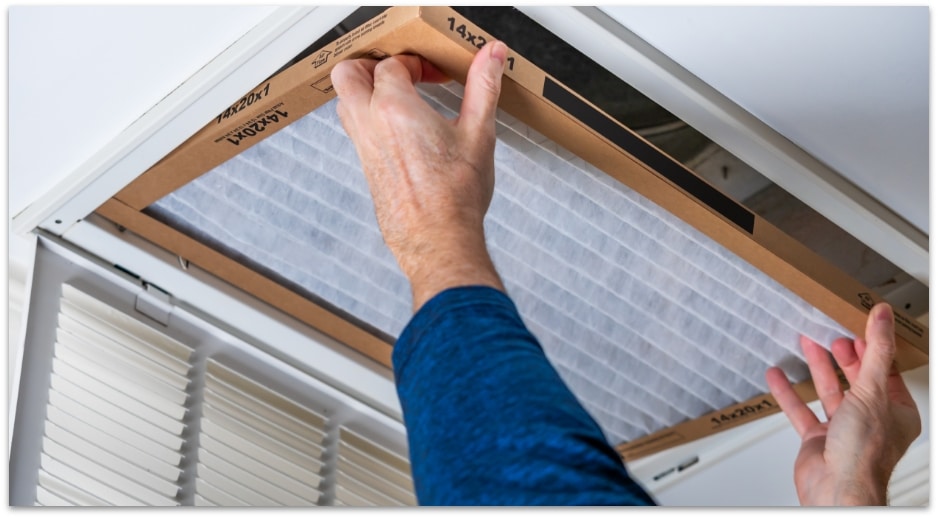
- Filters need frequent replacement: Standard 1-inch filters require monthly changes during heavy use seasons, while higher-efficiency filters last 3-6 months typically
- UV bulbs lose effectiveness annually: Most UV germicidal bulbs need replacement every 12-24 months, even though they still produce visible light
- Humidifiers and dehumidifiers last 10-15 years: With proper maintenance, including annual cleaning and scale removal, these systems serve reliably for a decade-plus
- Air purifiers require periodic service: Electronic components need cleaning, HEPA filters need replacement, and ionizing systems require maintenance every 6-12 months
- Technology improvements justify upgrades: Newer systems capture smaller particles, operate more efficiently, and integrate with smart home controls that older models lack
- Whole-house solutions beat piecemeal fixes: If you're running multiple portable units or dealing with persistent air quality problems, upgrading to integrated whole-home systems makes sense
Breathe Cleaner Air Starting Today
Nobody should tolerate stuffy air, constant allergies, or mystery respiratory issues in their own home. We'll evaluate your indoor air quality, identify specific problems, and recommend solutions that actually work for your house and budget. Our installations integrate seamlessly with your existing HVAC system and come with solid warranties. Call 814-386-7600 or contact us online to schedule your indoor air quality assessment.